🐓 The A–Z of Chicken Breeds: Brahma
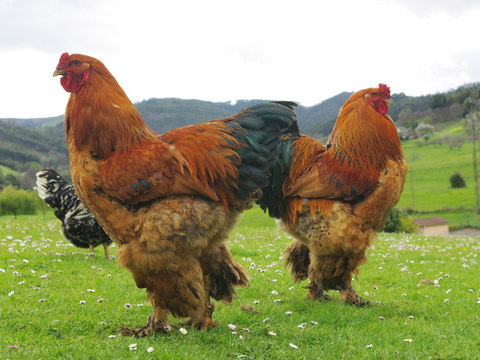
Meet the “King of Chickens” 👑—the Brahma! Towering, feather-footed, and oh-so-regal, Brahmas are one of the most striking breeds you’ll ever see strutting around the coop. Whether you keep them for their show-stopping looks or just because they’re gentle giants, these birds always turn heads.
🥚 Quick Brahma Facts
-
Uses: Exhibition & ornamental (once utility, now beauty queens!)
-
Eggs: 120–180 medium eggs a year
-
Origin: China (despite some dramatic 1800s debates!)
-
Weight:
-
Cock: 4.55–5.45kg
-
Hen: 3.2–4.1kg
-
-
Bantams: Cock: 1,080g | Hen: 910g
-
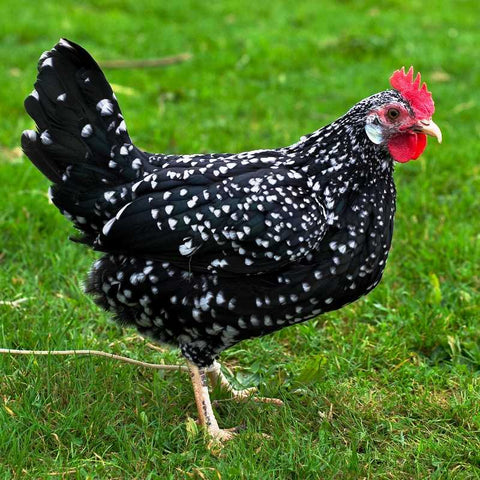
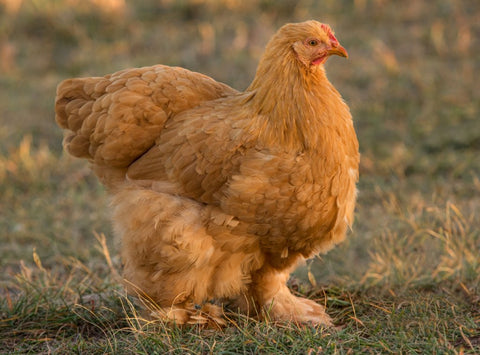
Colours: Dark, Light, White, Gold, Blue Partridge, Buff Columbian
-
Temperament: Calm, majestic, and surprisingly gentle
📜 A Bit of Brahma Drama
Back in the mid-1800s, chicken fanciers couldn’t quite agree on where Brahmas came from. Some swore they were from China (via the Shanghai imports), while others pointed to India—the breed even got its name from the Brahmaputra River!
In truth? The ship that delivered the birds likely set sail from Shanghai, stopped off in India, and voilà—confusion! What we do know:
-
In America, the Light Brahma developed with its neat pea comb and refined plumage.
-
In the UK, Brahmas became more about exhibition than utility, dazzling poultry shows rather than filling egg baskets.
The Dark Brahma gained fans in Britain, where breeders refined their markings with double mating (using different breeding pairs for cocks and pullets).
🎨 Brahma Colours
Originally just Light and Dark, the colour palette expanded over the years:
-
Buff Columbian (1920s)
-
White (1950s)
-
Gold & Blue Partridge (1970s, Germany)
Other colours like Black, Birchen, and Barred popped up too—but never quite took off.
💡 Useful to Know
-
Feathered Feet: Stunning, but fragile! Exhibitors often keep them indoors during bad weather to avoid broken feathers.
-
Big Birds = Big Appetites: Don’t skimp on protein—cheap wheat won’t cut it for these giants.
-
Housing: They’ll need larger coops and runs than smaller breeds.
-
Breeding:
-
Light & Buff Columbian can be single mated (easier!).
-
Dark & Partridge varieties need double mating for show-quality markings.
-
Look for neat pea combs—birds with walnut combs shouldn’t be bred.
-
🌟 Why Keep Brahmas?
Brahmas aren’t just chickens—they’re an experience. Watching a Brahma glide around your garden feels a bit like hosting a feathered peacock with a side of teddy bear charm. They’re calm, majestic, and friendly giants who bring a touch of grandeur to any flock.
If you want a chicken that makes visitors say “WOW, what is THAT?!”—the Brahma is your bird. 🐓✨